
Bangalore's TDR Policy Shift (2026): What Developers Must Know to Unlock Maximum FSI Value
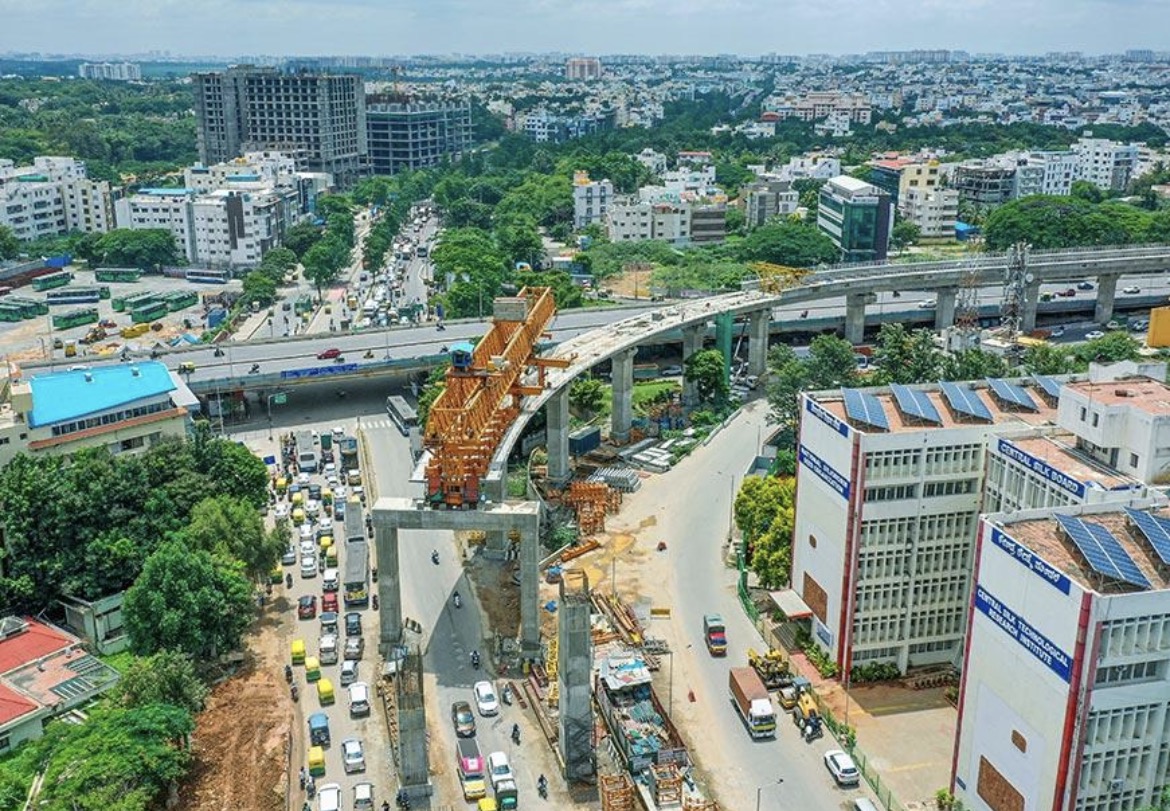
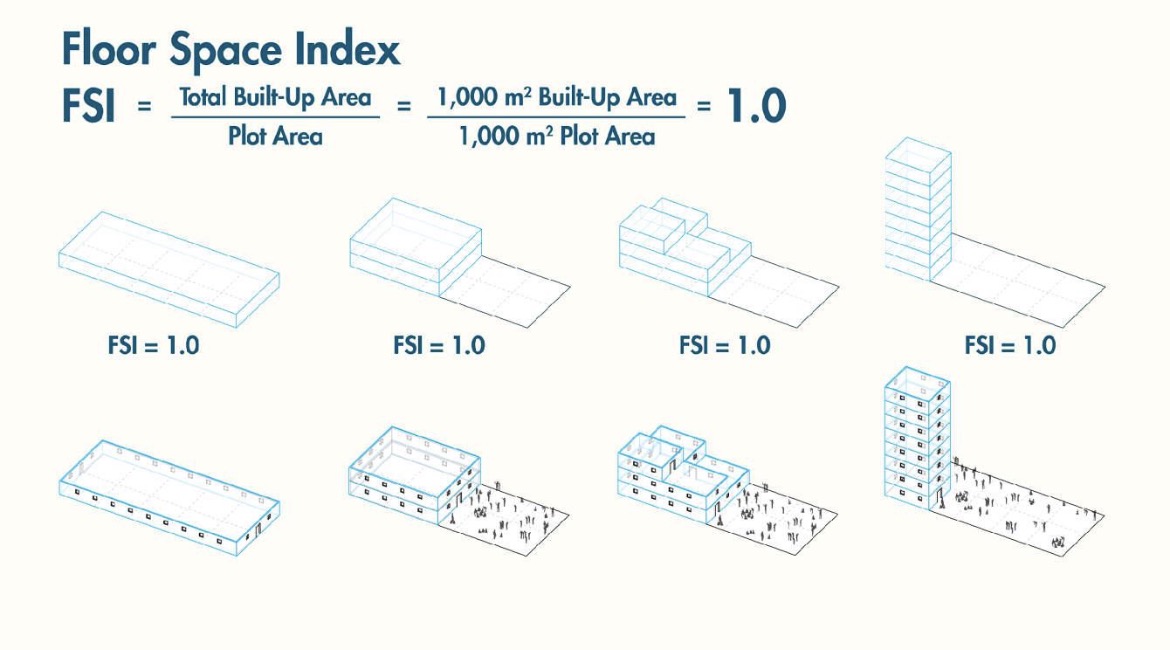
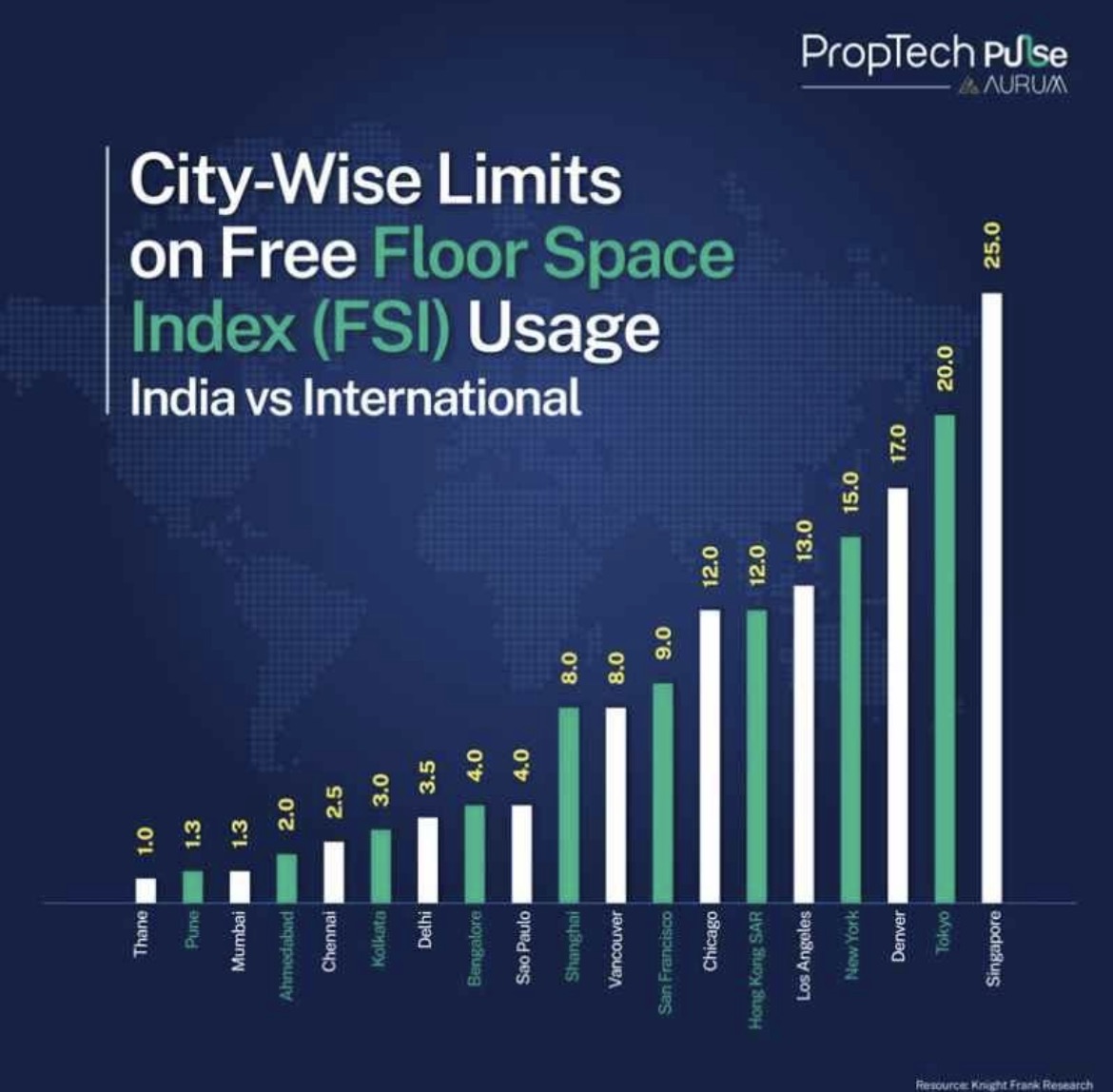
Bangalore is entering a new phase of urban transformation, with Transferable Development Rights (TDR) becoming central to how the city grows. With evolving regulations under BBMP and alignment with BDA, TDR is no longer a workaround — it is a strategic lever to unlock additional Floor Space Index (FSI). For developers who understand how to use it effectively, 2026 presents a significant opportunity.
What Has Changed — And Why It Matters
Recent policy shifts are focused on accelerating infrastructure development without heavy government expenditure. Landowners are compensated through TDR instead of cash, allowing developers to consume these rights to build beyond base FSI limits. Key shifts include higher acceptance of TDR in premium zones, improved clarity on usage and transferability, a stronger push for infrastructure-linked issuance, and the normalization of TDR as a mainstream planning tool — recognized now not as a workaround but as a legitimate instrument of urban development.
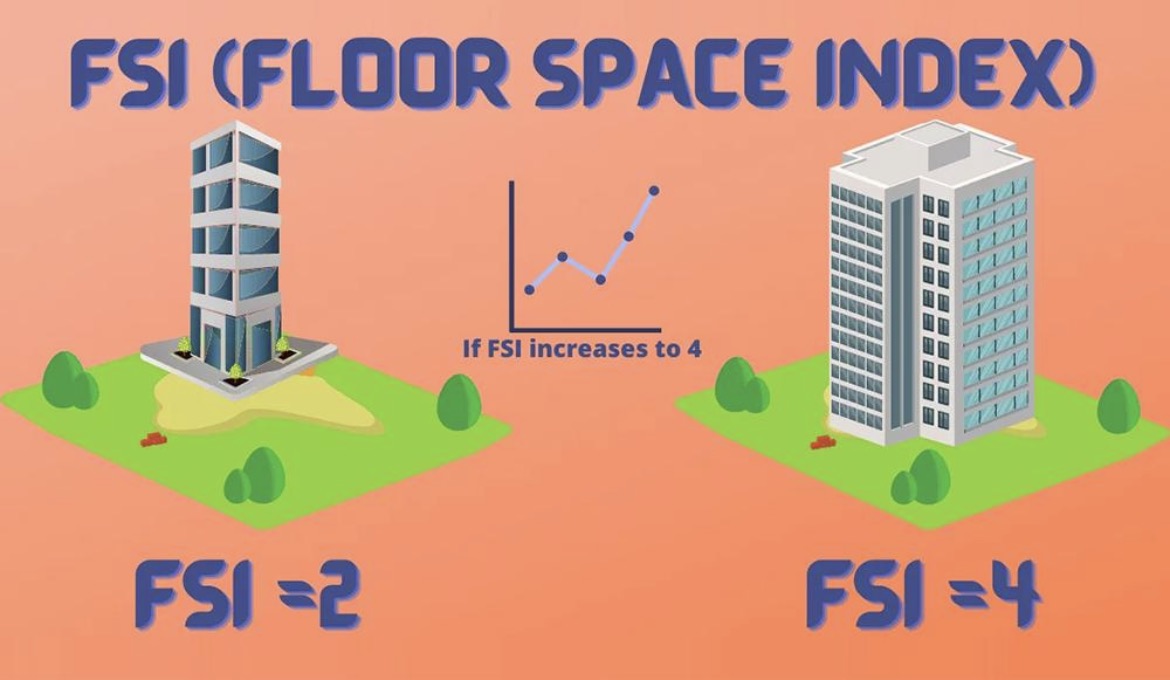
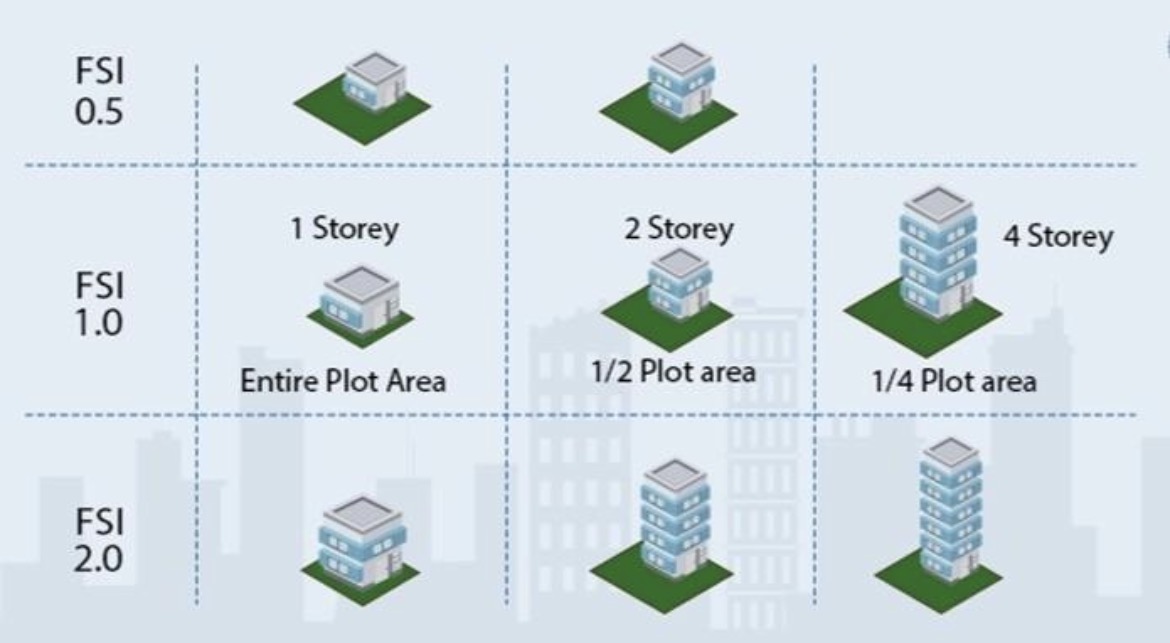
TDR enables additional FSI, leading to higher sellable area and improved project economics. The strategic advantages are tangible: maximized land value, higher vertical development potential, faster approvals aligned with planning goals, and improved ROI per square foot. In markets where land acquisition costs remain stiff, TDR is the most efficient lever available to improve project margins without spending more on land.
The Real Opportunity: Unlocking Higher FSI
The Hidden Complexity
Despite its benefits, TDR requires careful handling. While the upside is strong, TDR is not plug-and-play. Key risks include zonal restrictions on where TDR can be consumed, mismatches between TDR type and receiving zone, legal due diligence gaps in TDR certificates, market volatility in TDR pricing, and timing misalignment with project approvals. Many developers either overpay for TDR due to lack of market intelligence, underutilize FSI due to poor planning, or get stuck in compliance bottlenecks — all of which erode the very margins TDR was meant to protect.
Marrian Infra's Perspective: TDR is Not a Transaction — It's a Strategy
At Marrian Infra, we see TDR evolving into a core capability — not just a deal vertical. Our analysis points to four structural shifts: First, early integration wins — developers who plan TDR at the land acquisition stage will outperform those who add it later. Second, micro-market intelligence is critical — TDR value is not uniform; it varies significantly based on zone, road width, infrastructure proximity, and regulatory flexibility. Third, policy is moving toward incentivisation — the government is clearly signalling a preference for vertical, efficient, infrastructure-supported development, and TDR is the bridge enabling this. Fourth, structured TDR ecosystems will dominate — the future is not fragmented deals but organized TDR marketplaces and institutional participation.
The Bottom Line
Bangalore's next growth cycle will not be driven by horizontal expansion — but by intelligent vertical development, and TDR will be the lever. The question is not whether to use TDR. The question is how strategically you use it.
As a company deeply invested in building ethical, transparent, and value-driven real estate ecosystems, Marrian Infra is actively shaping its leadership in TDR transactions. Because in 2026 and beyond: those who understand TDR will control FSI — and those who control FSI will control value.
Published by
Marrian Infra — TDR Bangalore