
The Rise of TDR in Tier 1 Cities: Why Demand is Surging Among Developers and Urban Planners
Across India's Tier 1 cities, Transferable Development Rights (TDR) are emerging as a key driver of urban growth. For developers and planners, TDR is no longer optional — it is a strategic necessity shaping how cities expand vertically.
What is Driving the Surge in TDR Demand?
At its core, TDR solves one of the biggest challenges in urban India: how do you grow cities without expanding land? The answer lies in four compounding forces that are driving unprecedented demand for TDR across Tier 1 markets.
1. Land Scarcity in Tier 1 Cities
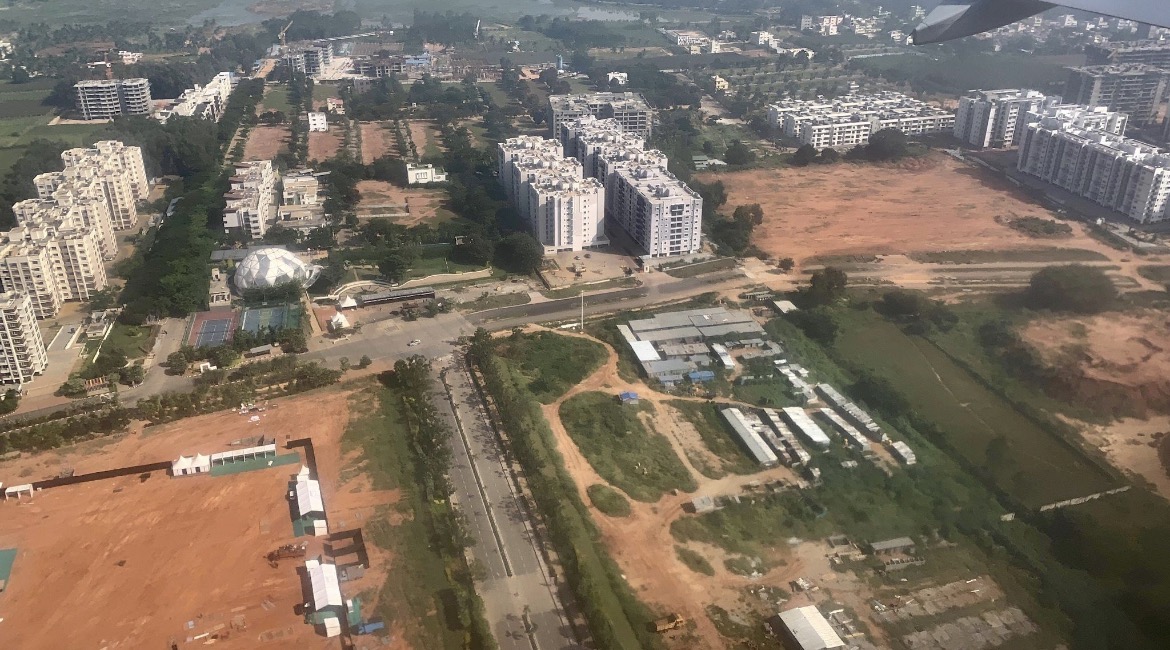
Cities like Mumbai and Bangalore are running out of developable land. Horizontal expansion is no longer viable. TDR enables vertical growth without new land acquisition, efficient utilization of existing plots, and higher density in infrastructure-ready zones — making it the most practical lever available to developers operating in saturated urban markets.

2. Government Push for Infrastructure Without Cash Outflow
Urban bodies like MCGM and BBMP are increasingly using TDR to acquire land for road widening, metro corridors, and public utilities — without cash compensation. Instead of paying landowners directly, authorities issue TDR certificates that developers then purchase and consume to unlock additional FSI on their projects. This circular mechanism benefits all parties: governments preserve capital, landowners receive tradable value, and developers gain building rights.
3. Higher FSI = Higher Profitability
For developers, the math is straightforward: More FSI means more sellable area, which means higher revenue per project. TDR allows developers to increase buildable area beyond base FSI limits, improve project feasibility in high-cost land markets, and achieve better margins without increasing land cost proportionately. In a market where land prices remain stiff, TDR is becoming the most efficient tool for margin optimization.
4. Urban Planning is Moving Toward Density Optimization
City planning bodies are now designing cities for vertical efficiency. High-density corridors are being encouraged, transit-oriented development (TOD) is gaining traction, and infrastructure and development are being tightly integrated. TDR is the mechanism enabling this shift — aligning private developer incentives with public infrastructure goals.
Why Developers Are Actively Chasing TDR
The developer mindset around TDR has fundamentally changed. The earlier attitude — 'TDR is complicated, use only if needed' — has given way to a 2026 conviction: 'TDR is a competitive advantage. Plan around it.' Rising land costs are forcing smarter utilization. Regulatory clarity has improved significantly compared to earlier years. Institutional investors now demand higher efficiency per project, and there is growing buyer acceptance of vertical living. Faster approvals, when projects are aligned with city planning frameworks, further strengthen the case for early TDR integration.

The Shift in Urban Planning Thinking
Urban planners are no longer asking: 'Where can we expand the city?' They are asking: 'How can we optimize what already exists?' This is where TDR becomes powerful. It aligns private developer incentives with public infrastructure needs, reduces the government's financial burden, and ensures planned — not chaotic — growth. TDR sits at the convergence of fiscal constraint, policy ambition, and market demand.
Marrian Infra's Analysis: This is Just the Beginning
From Marrian Infra's lens, the rise of TDR is not a short-term spike — it is a structural shift. TDR will evolve beyond individual transactions into tradable instruments, structured portfolios, and institutional investment opportunities. Micro-market intelligence will define winners: not all TDR is equal, and the real advantage lies in identifying high-consumption zones, timing price movements, and aligning project approvals with TDR usage windows. Organized players will increasingly dominate, as the market moves toward structured TDR marketplaces, professional intermediaries, and transparent pricing benchmarks.
What Developers Must Do Now
To stay ahead of the curve: integrate TDR at the land acquisition stage — not post-design. Build internal expertise or partner with specialists who deeply understand local regulations. Track regulatory changes closely across cities, treat TDR pricing like a dynamic market variable, and align projects with infrastructure-led growth zones where TDR consumption is highest.
The Bottom Line
The rise of TDR in Tier 1 cities is not accidental. It is the result of urban pressure, policy evolution, and economic necessity converging simultaneously. TDR is becoming the backbone of how modern Indian cities will grow.
At Marrian Infra, we believe those who understand TDR today will lead tomorrow's skyline. Because in a land-constrained world, value is no longer created by owning more land — but by building smarter on the land you already have.
Published by
Marrian Infra — TDR Bangalore