

Structuring a Zero-Risk TDR Transaction: Legal Frameworks, Compliance Checklists & Common Pitfalls

In today's evolving real estate landscape, Transferable Development Rights (TDR) are no longer just an opportunity — they are a high-value transaction layer that can either accelerate project success or expose developers to significant legal and financial risks. The difference lies in one thing: how well the transaction is structured. At Marrian Infra, we believe TDR is not just about acquisition — it is about precision, compliance, and control.
Understanding the Legal Backbone of TDR
TDR transactions are governed by a combination of urban planning laws and municipal regulations. The key regulatory anchors include: the Bruhat Bengaluru Mahanagara Palike (BBMP) for issuance and utilization guidelines; the Bangalore Development Authority for planning alignment; the Karnataka Town & Country Planning Act; and the Development Control Regulations (DCR). Each of these frameworks intersects in a TDR transaction, making compliance a multi-layered responsibility that cannot be approached casually.
The Foundation of a Zero-Risk TDR Transaction
A 'zero-risk' TDR transaction does not mean the absence of risk — it means every risk is identified, validated, and structurally mitigated before execution. This discipline separates professional TDR operators from opportunistic buyers who often discover problems only after funds have been committed.
Step 1: Origin Validation
Before anything else, validate whether the TDR is legitimately issued, whether it is tied to approved public infrastructure acquisition, and whether the certificate is free from disputes or encumbrances. The critical check: ensure the TDR originates from a legally acquired and compensated land parcel. TDR issued against disputed or encumbered land creates downstream legal exposure that can invalidate the entire transaction.
Step 2: Certificate Due Diligence
Every TDR certificate must be verified for authenticity (issued by competent authority), type (road widening, slum rehab, infrastructure, etc.), quantum of development rights, and validity and transferability clauses. A certificate that appears valid on the surface may carry usage restrictions or transferability limitations that render it commercially unusable for your specific project.

Step 3: Zonal & Utilisation Mapping
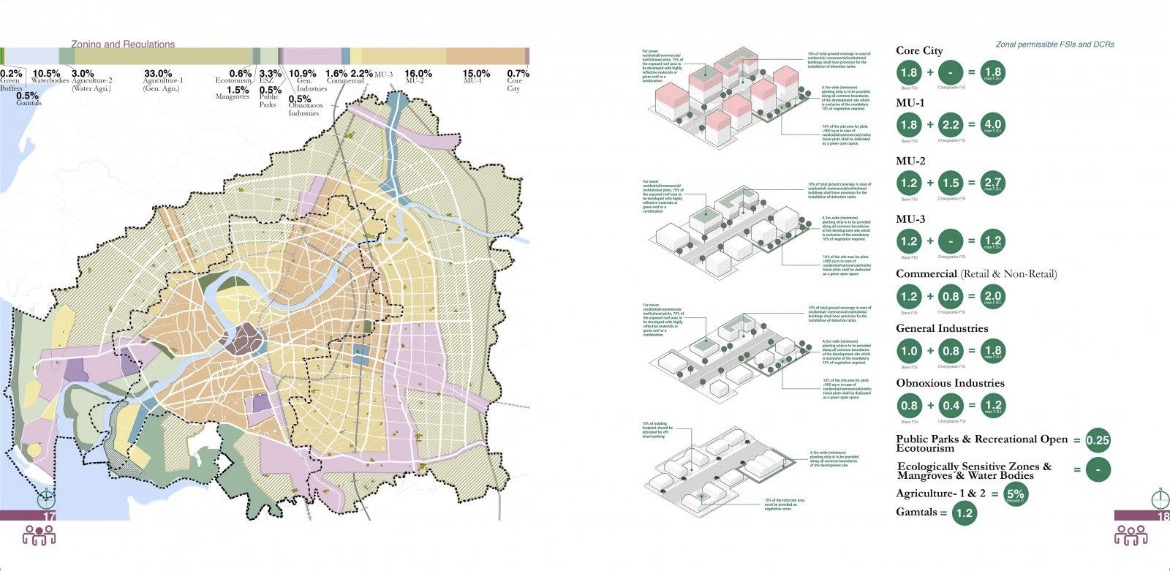
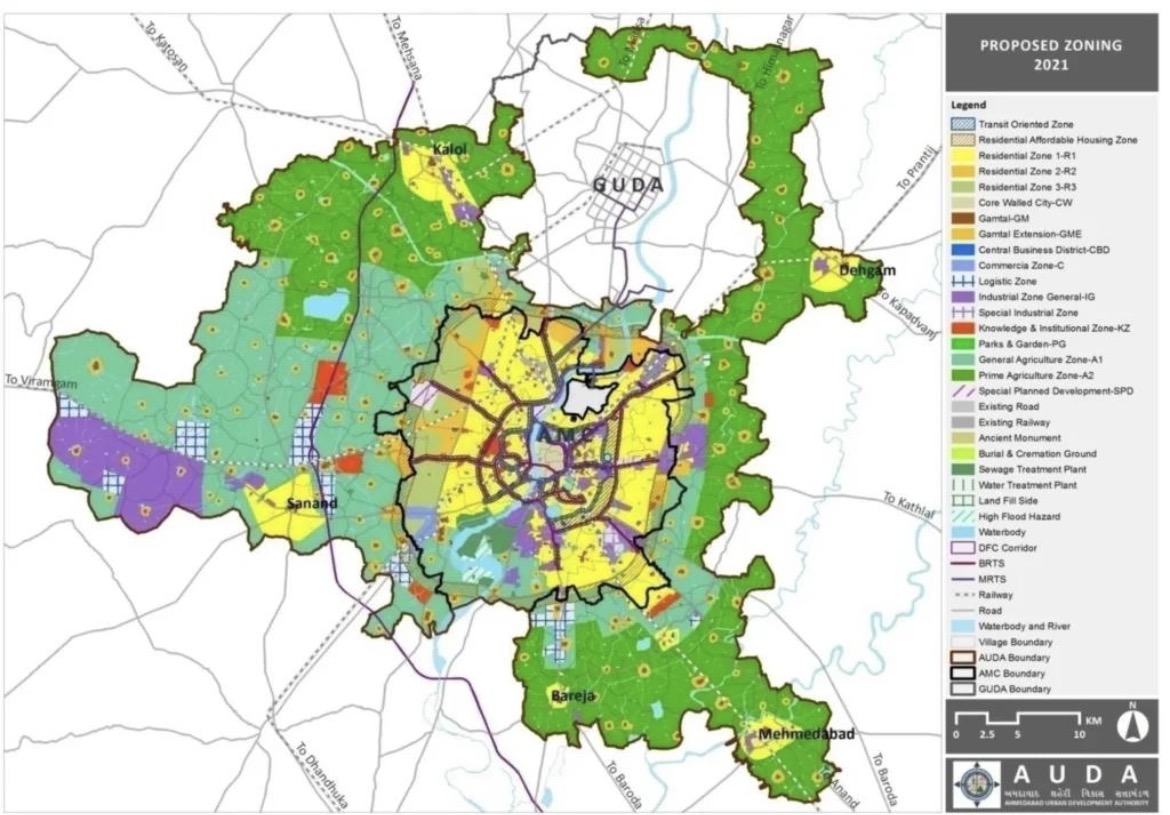
Not all TDR can be used everywhere. You must map receiving zones, check road width eligibility, and confirm the maximum permissible FSI with TDR loading. This step is where most value is either created or lost. Developers who skip zonal mapping often discover — post-purchase — that the TDR they acquired cannot be consumed on their intended project, resulting in stranded capital.
Step 4: Transaction Structuring
A strong structure includes a clear Sale Agreement for TDR rights, defined payment milestones, escrow mechanisms where required, and legal indemnities from the seller. Each element serves as a contractual safeguard. Payment milestones tied to verification checkpoints ensure funds are released only when each risk layer is cleared.
Step 5: Compliance & Approval Integration
TDR must be seamlessly integrated into building plan approvals, sanction drawings, and authority submissions. Any mismatch between the TDR certificate, the utilization quantum, and the project drawings leads to delays, rejections, and financial losses. Integration must be planned from day one — not added as an afterthought at the approval stage.
Compliance Checklist (Non-Negotiable)
Legal: verified TDR certificate, clear title of originating land, no litigation or disputes. Technical: zonal eligibility confirmed, FSI calculations validated, integration with project design complete. Financial: fair market pricing benchmarked, payment structure aligned to milestones, risk buffers built in. Regulatory: approval from relevant authorities, documentation aligned with DCR norms, timely filings and disclosures submitted.
Common Pitfalls & How to Avoid Them
Pitfall 1 — Buying 'Cheap' TDR Without Validation: A low price often signals legal issues, zonal limitations, or usage restrictions. Price discovery without due diligence is not a strategy — it is a liability. Pitfall 2 — Ignoring Zonal Mismatch: Developers often assume TDR can be used anywhere. This is one of the biggest and costliest mistakes in the market. Pitfall 3 — Delayed Integration into Project Planning: TDR added late in the project lifecycle leads to redesign costs, approval delays, and lost FSI potential. Pitfall 4 — Weak Documentation & Agreements: Poorly structured agreements expose developers to legal disputes, payment conflicts, and compliance failures. Pitfall 5 — Lack of Market Intelligence: TDR pricing is dynamic. Without consistent market tracking, you may overpay or miss strategic buying windows.
Marrian Infra's Perspective: Structure is the Strategy
At Marrian Infra, we approach TDR transactions with a simple philosophy: if it is not structured right, it is not worth doing. Our approach includes end-to-end due diligence before commitment, zonal intelligence-driven acquisition strategy, strong legal frameworks with risk buffers, and integrated planning with the project lifecycle. Because in TDR, execution excellence is the only protection against risk.
The Bottom Line
TDR transactions are powerful — but only when handled with precision. The difference between profit and problem is not the opportunity; it is the structure behind it.
As TDR becomes a core pillar of urban development, developers who prioritize compliance, clarity, and control will not just avoid risk — they will unlock exponential value.
Published by
Marrian Infra — TDR Bangalore